" height="15px" id="MX_EWdgLM" transform="translate(0 0)" width="96.99999674245326px"/></g></svg>)
Toronto Title ‘In Search of the Sky’ Tackles Mental Health Stigma in Rural India: ‘How Society Can Be So Ruthless’
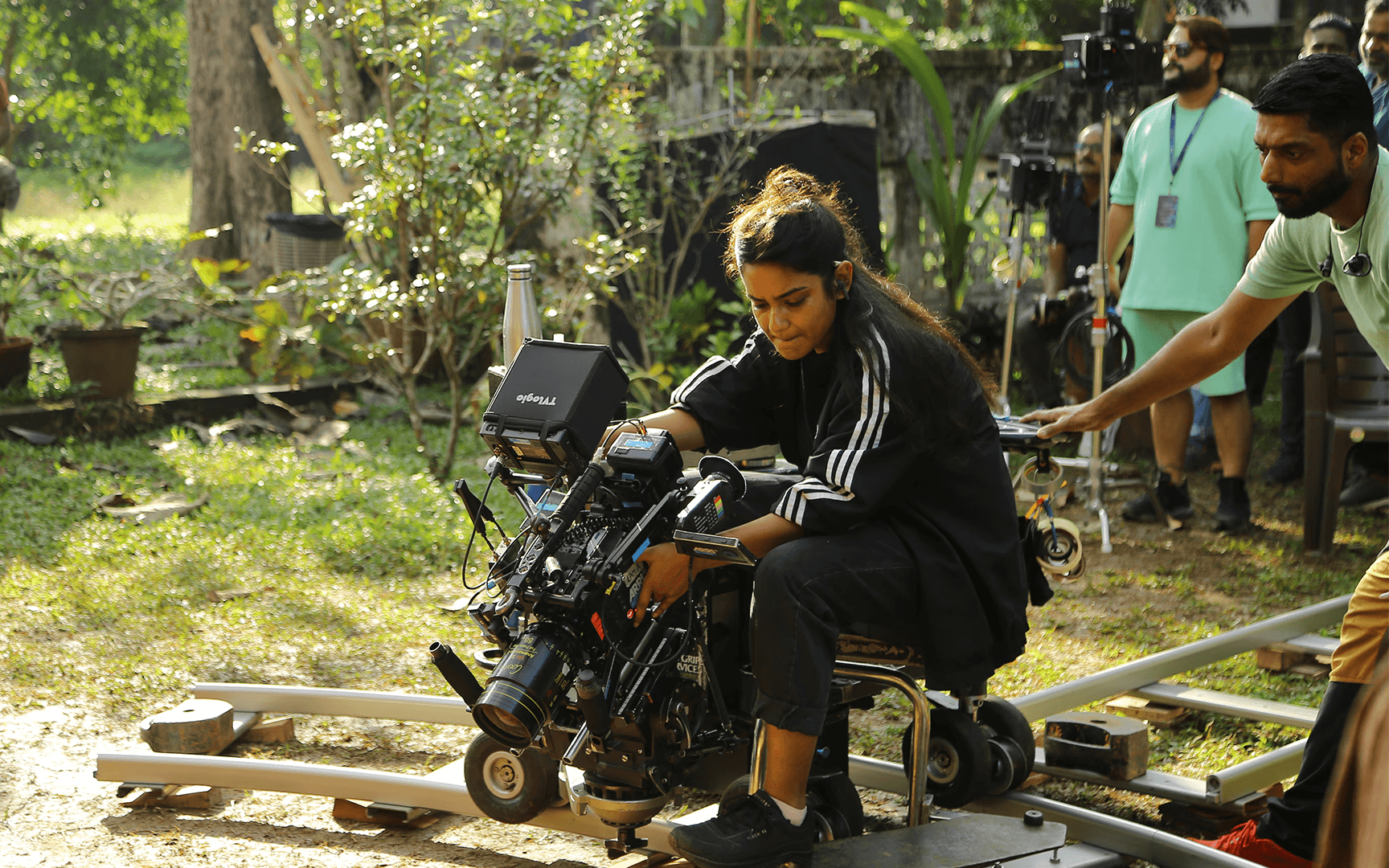
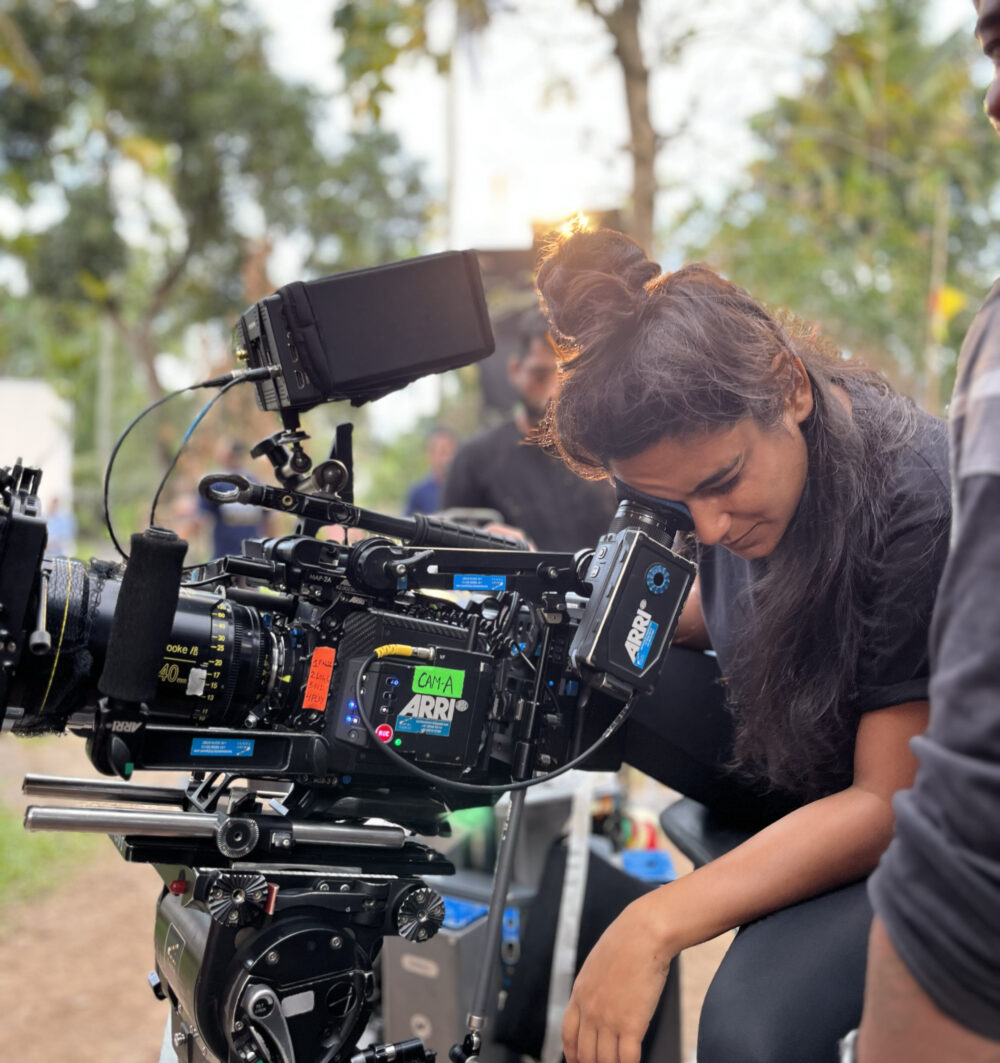
Shelly Sharma is a dynamic and innovative cinematographer whose journey began with a background in mass communication before discovering her passion for cinematography. After assisting on various film sets as a 2nd unit DOP, Shelly gained invaluable experience and transitioned into commercials and documentaries, gradually developing her own unique style. Throughout her career, she has successfully leveraged Cooke lenses to enhance her visual storytelling, using their capabilities to shape the mood and texture of her films.
“I’ve always been drawn to cinematography because of my love for movement and light—watching how the sun filters through leaves, or how the world is bathed in different hues as I travel. Once, while riding a bike through Meghalaya, I was mesmerised by the dramatic dark clouds and the way life’s colours seemed to pop against the greys of the sky,” Shelly recalls.
For her, lighting serves as a subconscious layer of storytelling, delicately bridging the worlds of realism and drama. This versatility shines through in her ability to seamlessly navigate between fiction and documentary filmmaking, each offering a different creative process. Documentaries, in particular, push her to handle realism with limited resources, often empowering her vision in ways that fiction films don’t.
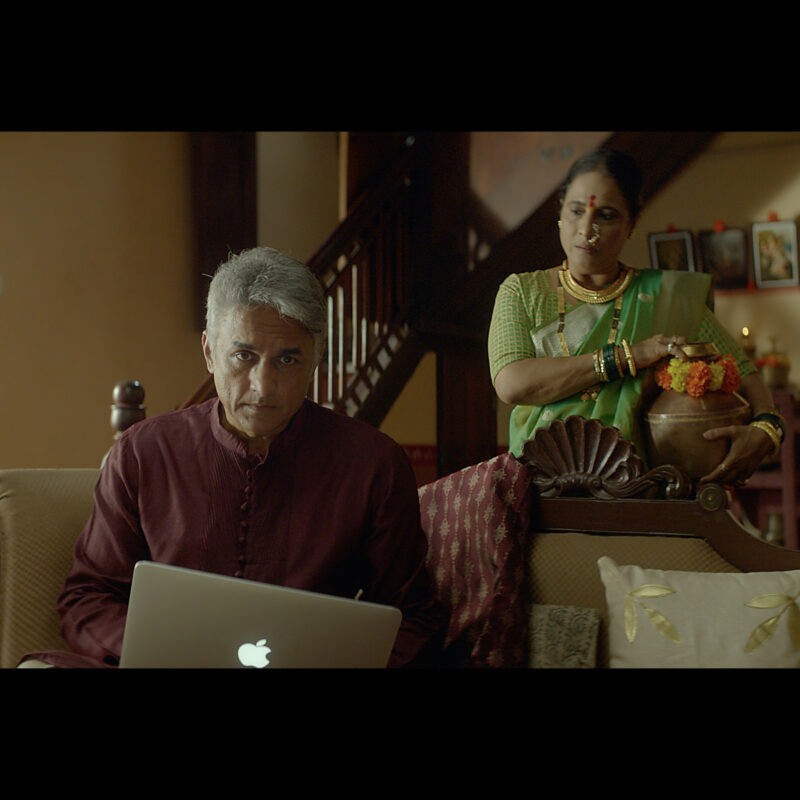
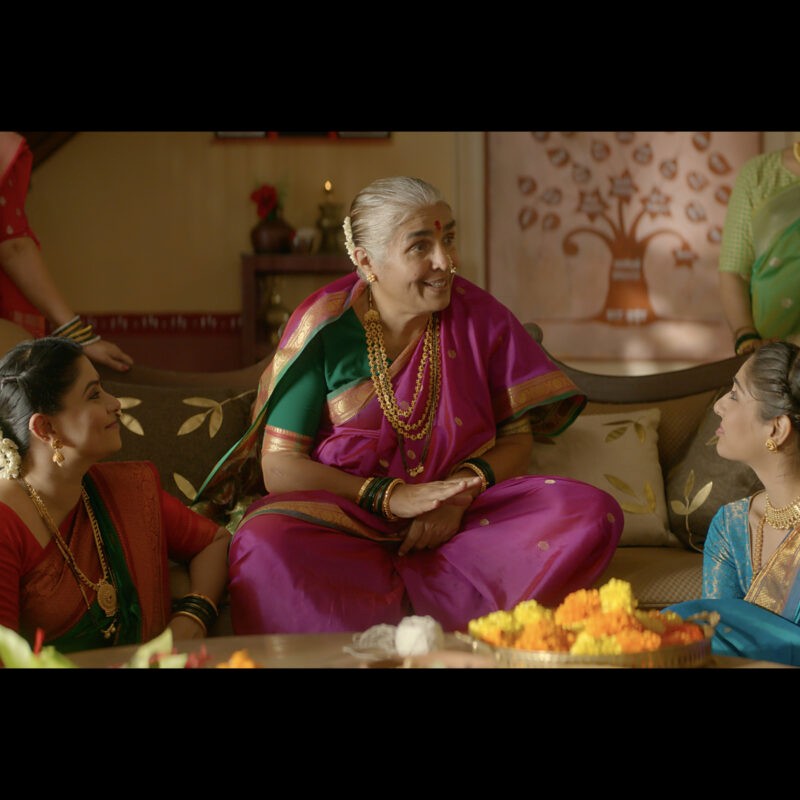
With advancements in camera technology, Shelly acknowledges that post-production can manipulate nearly any image. However, for her, the choice of lens remains crucial to the integrity of the visual story. When reflecting on her work for the Marathi film Gharat Ganpati, Shelly explains her thought process behind the film’s visual style. The family drama, set primarily in a traditional heritage bungalow in Kerala to evoke a Konkani atmosphere, presented unique lighting challenges due to low ceilings and expansive open spaces.